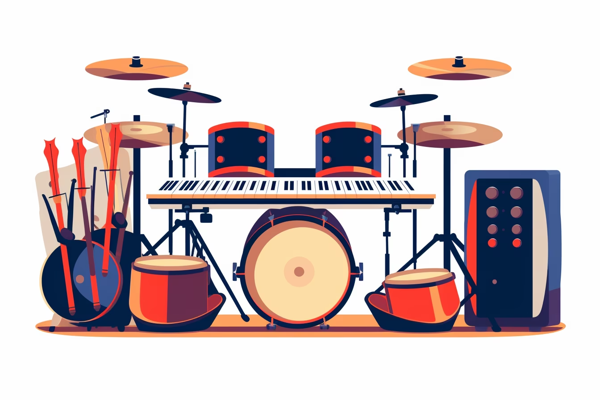
Unleashing the Majesty of Timpanis: A Journey into the World of Concert Percussion
Note: The following blog post is intended to provide a comprehensive overview of the facinating world of concert percussion, with a specific focus on the grandeur of timpanis. We'll delve into the history, mechanics, and significance of these majestic instruments, taking you on a captivating journey.Concert percussion is a realm of music that often captures the imagination. From the thunderous rolls of the bass drum to the delicate tinkling of cymbals, each instrument holds a unique place in the orchestra. Yet, there is something truly captivating about the timpanis - those large, resonant drums that command attention with their commanding presence and rich, melodic tones.
The Origins of Timpanis
To understand the allure of timpanis, we must first explore their origins. The timpani, also known as kettle drums, can trace their roots back to ancient civilizations, where they were employed in military and ceremonial contexts. These early versions of the instrument consisted of a stretched animal skin over a shallow wooden or metal frame. Over time, the timpani evolved, adopting various innovations. The addition of a foot pedal mechanism in the 17th century, for example, allowed for precise tuning and greater versatility. This development transformed the timpani into a truly melodic instrument, capable of playing a range of musical notes.The Mechanics of Timpanis
One of the key features that sets timpanis apart from other percussion instruments is their ability to be tuned to specific pitches. This is achieved through a sophisticated system of tension rods and a foot pedal mechanism. By adjusting the tension of the drumheads using these rods, a percussionist can alter the pitch of the timpani. Imagine the scene backstage before a symphony concert. The timpanist meticulously adjusts each drumhead, ensuring precise pitch placement for each note. It is a delicate process that requires both skill and a keen ear for tuning. The timpanist must strike a balance between the desired pitch and the resonance of the instrument, creating a harmonious blend within the orchestra. ROSS RP1 General Timpani Mallets are often used by timpanists for their versatility and balanced tone. These mallets allow for precise control and a rich sound, enhancing the performance of the timpani.The Role of Timpanis in the Orchestra
Timpanis hold a prominent role in the orchestra, often acting as the foundation for the rhythmic and melodic elements of a composition. They provide a solid anchor for the ensemble, helping to establish the tempo and pulse. But timpanis are not limited to simply providing rhythm. They are also capable of producing expressive, melodic phrases. A skilled timpanist can create a kaleidoscope of tonal colors, adding depth and richness to the overall orchestral sound. From gentle mallet strokes to thundering rolls, timpanis have the power to evoke a wide range of emotions.The Art of Timpani Performance
Playing the timpani requires a combination of technical skill, musicality, and physical endurance. A timpanist must possess a strong sense of rhythm, an acute sense of pitch, and the ability to execute precise dynamics. It is a demanding instrument that demands both physical and mental dexterity. As with any instrument, practice is key. A dedicated timpanist spends countless hours honing their craft, perfecting their technique, and refining their musical interpretation. It is a labor of love that requires discipline, patience, and a deep passion for music.Anecdotes from the Timpani World
To truly appreciate the world of timpanis, let's delve into a couple of anecdotes that highlight the instrument's significance.- Legend has it that during the premiere of Beethoven's Ninth Symphony, the timpanist, who was positioned on the far side of the orchestra, couldn't hear the conductor's cue for the final movement. Undeterred, he relied on his keen sense of timing and anticipated the entrance, creating an awe-inspiring moment that has since become iconic.
- In Richard Strauss' famous tone poem "Also sprach Zarathustra," the timpani plays a crucial role in capturing the grandeur and drama of the music. The opening motif, aptly nicknamed the "Sunrise," begins with a resounding strike on the timpani, instantly immersing the listener in the majesty of the piece.

Wacksonville - October 17, 2023
"Nice article, learned something new!"
DillyCrew863 - October 16, 2023
Great read! As a percussionist myself, I love the power and versatility of timpanis. They truly add a majestic touch to any concert performance. Can't wait to dive deeper into the world of concert percussion!
Shlaff - October 15, 2023
Wow, this article is so informative! I've always been curious about timpanis and this really helped me understand their role in concert percussion. Great job!
Revengda - October 14, 2023
Wow, this article was so interesting! I had no idea timpanis were so versatile. Can't wait to hear them in my next orchestra performance. Thanks for sharing!
Wyuke - October 13, 2023
Cool article, learned something new!
viasity - October 12, 2023
I think this blog post is a bit borig. The topic is interesting but the writing style is not engaging. I struggled to stay awake while reading it. I was hopin for more excitement and passion about timpanis. Disappointing.